The phrase brow lift used to mean an operating room and weeks of recovery. Now it can mean a 15 minute appointment and a barely there shift that opens the eyes. A Botox brow lift relies on muscle balance rather than scalp incisions. It is not a substitute for surgery when there is significant skin laxity, but for the right face it brings a fresher, more awake look with almost no downtime.
I have performed thousands of botox injections across the upper face. The most satisfied brow lift patients have a simple goal: they want a touch more lid show and a smoother brow without freezing their expression. Getting that right depends on anatomy, dosing, product handling, and a clear conversation about what is and is not possible.
How the lift works, in plain terms
The brows rest at the mercy of two teams of muscles. The frontalis lifts the brows upward. A set of depressors pulls them down, mainly the corrugator supercilii between the brows, the procerus over the nasal bridge, and the outer fibers of the orbicularis oculi at the crow’s feet.
Botox cosmetic injections relax muscles that contract too strongly. When we weaken downward pull along the brow tail and between the eyebrows, the frontalis can lift unopposed. This often yields a 1 to 3 millimeter rise of the lateral brow, sometimes a touch more in ideal candidates. It is subtle, but the eye area reads human expression in millimeters. That is why a small change can feel like a big improvement.
The lift is not about injecting the frontalis to make it stronger. In fact, over treating the frontalis can drop the brows. The art is to soften frown lines and crow’s feet just enough while keeping the elevator muscle active where it helps your face most.
Who tends to be a good candidate
The best results show up in people with relatively good skin elasticity, a mildly heavy brow tail, and dynamic lines from movement. If the upper lid skin hangs over the lash line at rest, a nonsurgical approach offers limited lift. A Botox brow lift works well for people in their late 20s to early 50s who notice a tired look from frown lines and a slight brow droop, especially toward the outer third.
There are exceptions. A 62 year old with strong frontalis recruitment and only mild laxity can still enjoy a tasteful lift. A 33 year old with genetically low set brows but minimal skin elasticity may not. Facial balance matters. A masculine brow that sits naturally near the orbital rim should not be lifted to an arched, surprised shape. I adjust my plan to respect each person’s baseline anatomy and gender expression.
What an appointment feels like
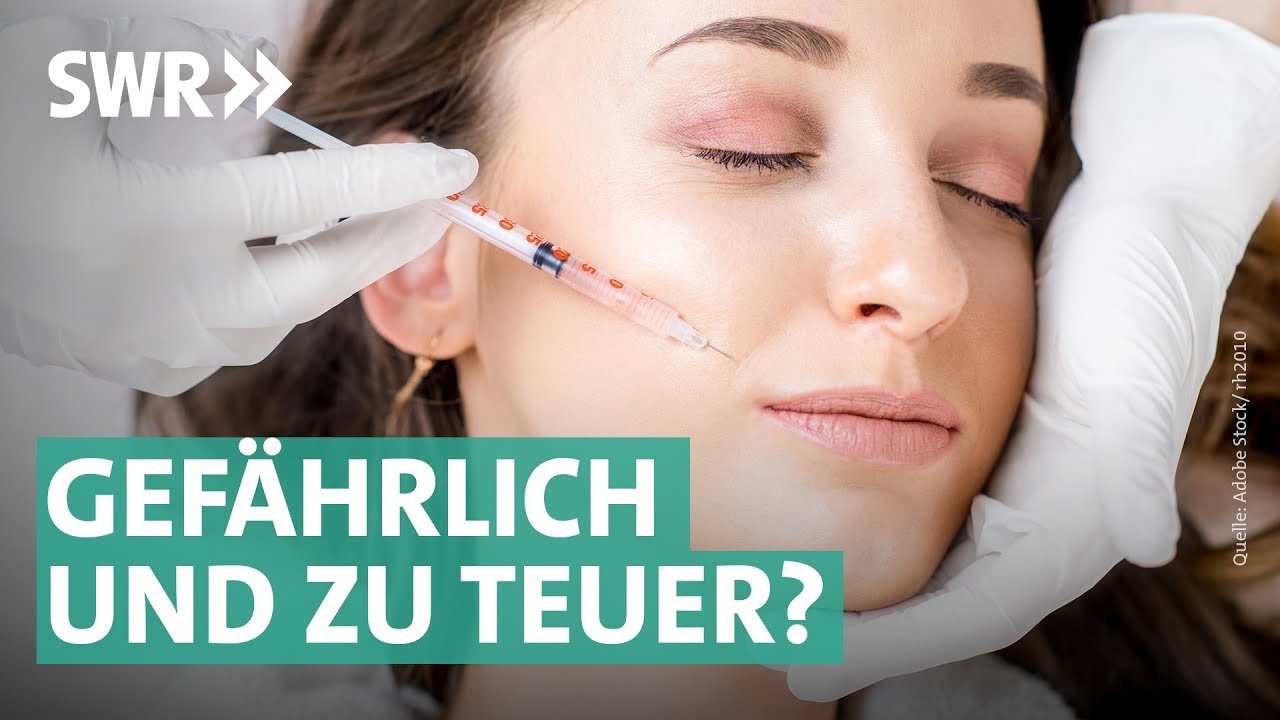
A typical visit starts with photos and several minutes of watching your muscles work. I ask you to frown, raise the brows, squint, and smile. That live map dictates where botox facial wrinkle injections will help and where to avoid. I mark a few dots, cleanse, and use a fine insulin syringe. Most people rate the discomfort a 1 or 2 out of 10. No numbing is required. The injections take three to five minutes.
Small pink bumps from the saline carrier flatten in 10 to 20 minutes. Makeup can go back on after two hours if the skin looks settled. You can return to desk work immediately. I ask patients to stay upright for several hours and to postpone a hard workout until the next morning. Bruising is uncommon but possible, usually a pinpoint that fades in a few days.
Doses and units, with real numbers
Brand labeling varies, and providers develop their own dosing patterns. I use onabotulinumtoxinA units below because that is the most common reference. Results depend more on placement than raw totals, but numbers help set expectations.
- Glabellar complex, the frown lines between the brows: 12 to 24 units for most women, 16 to 30 units for most men. This softens corrugator and procerus pull, reduces the 11s, and allows the brow center to sit a touch higher without a stern crease. Lateral orbicularis oculi, the outer crow’s feet: 4 to 8 units per side for a lift focused on the tail of the brow. For pure crow’s feet smoothing, some patients receive 8 to 12 per side. With a brow lift goal, I often use slightly lower doses laterally to preserve a natural smile while reducing downward pull. Frontalis, the forehead lines: if the aim is a lift, I tread lightly here. Often 4 to 10 units total, placed higher on the forehead and kept laterally sparse to avoid suppressing the elevator too much. For someone who mainly wants botox for forehead lines and does not need a lift, the dose may be higher and pattern broader.
Add those up and a brow lift plan might use 20 to 40 units total. A petite woman with thin muscles might look perfect at 16 to 24 units. A broad brow, heavy orbicularis, or thicker glabellar complex may call for 30 to 50. Cookie cutter dosing leads to cookie cutter faces. The right number is the one your muscles need, where they need it, and nowhere else.
The timeline you can expect
You will notice the first softening at 2 to 4 days. The lift becomes visible as the lateral orbicularis quiets, usually by day 5 to 7. Full effect settles around day 10 to 14. If a tweak is needed, I prefer to reassess at two weeks. Adding two units in the right place can turn a good outcome into a great one. Over correcting too early creates stiffness.
How long botox lasts varies by metabolism, dose, and muscle strength. Most people enjoy a stable result for 3 to 4 months. Athletes and fast metabolizers may ride closer to 8 to 10 weeks. With consistent treatments, some patients find the interval stretches a bit, since the depressor muscles unlearn their overactivity.
Safety, side effects, and how to avoid problems
Is botox safe is a fair question. Botulinum toxin for cosmetic use has decades of data behind it, and serious adverse events in the cosmetic dosing range are rare. Safety depends on accurate placement, correct dilution, sterile technique, proper patient selection, and patient cooperation afterward.
Common, short lived effects include small injection bumps, mild redness, a tiny bruise, and a sense of tightness as the product starts working. Headache can happen after glabellar work. Most post treatment headaches resolve with rest, hydration, and over the counter pain relief.
Undesired outcomes usually stem from misplaced or excessive dosing. Brow heaviness occurs when the frontalis is over relaxed, especially in the lateral portion. The notorious Spock brow, a sharp outer arch, shows up if the mid forehead is quiet while the tail is too active. This is easy to fix with a unit or two placed just below the high point.
True eyelid ptosis, the upper lid drooping, is uncommon. It is typically related to diffusion into the levator palpebrae superioris through the orbital septum. Careful injection points and light pressure without rubbing lower that risk. If ptosis occurs, it generally improves as the product wears off, and alpha agonist eye drops can help the lid open during the recovery window.
Contraindications include pregnancy and breastfeeding, certain neuromuscular disorders, active skin infection at the injection site, and a known allergy to a component of the formulation. For people on anticoagulants, bruising risk rises, but a gentle technique minimizes issues. A thorough intake ensures a safe experience.
" width="560" height="315" style="border: none;" allowfullscreen="" >
What results look like in real life
A 41 year old marketing director came in for botox for frown lines and felt that her eyes looked small by 3 p.m. We balanced her glabellar complex with 16 units, used 6 units per side at the lateral crow’s feet, and added 6 units to the high central frontalis. At two weeks, her brow tails sat 2 millimeters higher, the 11s relaxed without flattening her midbrow, and she could still raise her brows for expression. Her before and after results looked like she slept better, not like she had work done.
A 52 year old man wanted a cleaner forehead but dreaded an arched brow. We centered treatment on botox for forehead lines with conservative lateral dosing, preserved frontalis action at the tail, and used a low dose along the crow’s feet to reduce downward pull without creating lift. His result read natural and masculine. The lift was barely perceptible, which is exactly what he wanted.
How a nonsurgical lift compares with surgery
A surgical brow lift repositions skin and brow tissue. It can create several millimeters of sustained elevation, smooth forehead lines mechanically, and open the eyes in a way that botox cannot match for severe droop. The trade off is an operating room, incisions that must heal, and a recovery measured in weeks.
A Botox eyebrow lift trades permanence for flexibility. If the first outcome feels too strong or too light, the next round can be adjusted. There is minimal recovery time, and cost is same-day botox near New Providence spread out over the year. For mild to moderate descent and dynamic wrinkles, botox wrinkle relaxing injections give a subtle refresh. For heavy skin redundancy and deep static furrows, a surgical consult makes sense. Many of my patients use both approaches over a lifetime, leaning on botox facial treatment in younger years and considering surgery when skin laxity becomes the primary issue.
Avoiding a frozen look
No one asks for a frozen forehead anymore. If your practitioner listens and measures doses with restraint, you will keep movement. The hallmarks of a soft, elegant outcome are a smooth glabella without a scowl, a relaxed smile that does not bunch the outer eye into deep crow’s feet, and a brow that can still climb for emphasis.
Technique supports that goal. Microdroplet injections at the brow tail preserve nuance. Higher placement in the frontalis keeps the lower brow mobile. Even spacing in the corrugators avoids a single heavy point of paralysis. Small adjustments at the two week mark trim asymmetries. The end result is calm skin rather than immobilized skin.
Beyond the brow: related areas that shape the result
The upper face works as a unit. Addressing neighboring muscles can improve harmony.
- Botox for glabellar lines reduces the shadow that makes a brow feel heavy, even before any lift happens. Botox crow’s feet injections, placed with a light hand, soften radiating lines and can contribute a millimeter or two of tail lift. Selective forehead injections smooth horizontal lines. Doses must be conservative laterally if lift is the priority.
Patients often ask about under eye botox or a botox lip flip in the same visit. Under eye injections demand great caution due to the thin tissue and risk of smile changes. A lip flip uses two to four units along the vermilion border to roll the upper lip slightly outward. It pairs well cosmetically when done gently. Each addition should serve a clear aesthetic plan, not just pad a menu.
Cost, value, and planning
Pricing varies by geography, brand, and practice model. Many clinics charge per unit. In the United States, a realistic range sits between 10 and 20 dollars per unit. A brow lift pattern requiring 20 to 40 units lands between 200 and 800 dollars before taxes or fees. Some practices charge per area, in which case a glabella plus crow’s feet plan might run 400 to 900.
I encourage people to think of botox cosmetic treatment as part of an annual maintenance plan. If your results last about 3.5 months, you will have three to four visits per year. An honest conversation about budget allows your provider to prioritize the areas that make the biggest visual impact for you, such as botox for forehead lines versus more lifting effect at the orbicularis.
What you can do to help the outcome
Simple aftercare and a few habits make a difference.
- Stay upright for 3 to 4 hours after botox injection treatment, and skip rubbing or massaging the treated areas that day. Pause strenuous workouts and saunas until the next morning to limit increased circulation at the injection sites. Avoid facials, microdermabrasion, or aggressive skin treatments for 24 to 48 hours over the injected areas. Use a clean, light touch if you must apply skincare or makeup that evening, and keep products away from puncture points until they close. Book a two week check if your provider offers it, so micro adjustments can refine symmetry and lift.
Outside of the immediate window, skin health supports any botox wrinkle smoothing treatment. Daily sunscreen, a retinoid as tolerated, and steady hydration improve texture and tone. If static lines persist at rest, consider collagen stimulating options like microneedling or energy based devices as a complement. Botox treats movement, not skin quality itself.
Answering common questions without fluff
What is botox treatment, exactly? It is a purified neurotoxin that temporarily blocks the release of acetylcholine at the neuromuscular junction. That interruption reduces the muscle’s ability to contract. Cosmetic formulations are dosed at tiny, controlled amounts. The effect is local, not systemic, when injected correctly.
How many botox units are needed for a brow lift? Most people fall between 20 and 40 units total when including the glabella and lateral crow’s feet, with or without a few units to the high central forehead. The true number depends on your anatomy and goals.
How often are botox injections needed? Plan on every 3 to 4 months. Some patients extend to five months with repeated treatments, others prefer a stricter three month rhythm to maintain a constant look.
Does botox hurt? The injections sting for a second or two. If you are very sensitive, ice applied before each point helps. Topical numbing is rarely necessary.
What is the recovery time? You can go back to normal life right away, skipping heavy exercise until the next day. Minor redness or swelling at a point injection fades within an hour.
What about side effects? The most common are small bruises and a temporary headache. Less common are asymmetry, a too heavy or too arched brow, and rare eyelid droop. Choosing an experienced injector, reviewing your medical history, and following aftercare reduce risks.
How long do botox results last? Most people see peak results around two weeks, then a steady plateau for two to three months, with a gradual softening over the fourth month.
Precision that respects your features
Good outcomes stem from restraint and mapping. On one patient, I may place two small dots at the outer orbicularis and skip the lateral frontalis entirely to allow a pure lift. On another, I may split a tiny dose across the high central forehead to smooth a single etched line, because that line reads as stress on Zoom calls. If the glabellar complex is strong and angry looking, I will prioritize botox frown line injections there with a touch less at the crow’s feet to prevent over arched brows.
Ethnic and gender differences matter. A low, straight brow in many men looks sharp and confident. An exaggerated arch can feminize if that is not the goal. In some Asian faces, the brow and lid relationships are different, and lift must be subtle to avoid pulling the eye shape. Every plan respects cultural and personal aesthetics.
When a brow lift is part of a bigger plan
Botox is a versatile tool. Some people come in for a brow lift and find that a small change elsewhere ties the whole face together. If bruxism widens the jaw, a botox masseter treatment can slim the lower face over several weeks, softening heaviness that competes with an elegant brow. If chronic tension causes headaches, botox migraine treatment through a medical provider can reduce frequency, which often shows in a more relaxed expression. People with hyperhidrosis find that botox for excessive sweating under the arms changes daily comfort and wardrobe choices, a confidence shift that reads in the face as well.
These are medical indications, and dosing patterns differ from cosmetic work. When someone asks about botox for teeth grinding or botox tmj treatment during a cosmetic consult, I explain the mechanics, expected benefits, and the need for a thorough evaluation, sometimes co managed with a dentist or neurologist. Everything should serve a clear purpose.
Setting expectations, avoiding disappointment
A botox brow lift is a finesse move. It gives you a cleaner upper face, a little more lid space, and less frown without shouting that you had anything done. If you want your brows to live half a centimeter higher at rest, this is not the right tool. If you want the ability to look interested on video without etched lines at noon, and to look less stern when your face is quiet, it earns its place.
I show patients likely outcomes using a mirror and my fingers to simulate a 1 to 3 millimeter tail rise. I point out that makeup often reads better, that sunglasses sit differently, and that selfies under harsh car light become kinder. Tiny differences add up to a rested, confident look.
Final thoughts from the treatment room
I have seen botox cosmetic facial injections bring back a sense of control for new parents who have not slept, executives who live on planes, and teachers who squint into projectors all day. None of them wanted a different face. They wanted their face, with the volume turned down on the parts that made them look tense or tired.
A great Botox eyebrow lift depends on three things. First, a practitioner who understands the tug of war between your elevators and depressors, and who treats with intention. Second, a patient who values subtlety and is willing to accept that a millimeter matters. Third, a shared plan for maintenance, small adjustments when needed, and honest talk if a surgical route will serve better.
Botox is not a magic eraser. It is a precise tool for muscle balance. Used well, it offers a subtle lift without surgery, a smoother brow that still moves, and an eye area that greets the world with a bit more ease.